

The Israel Railway Museum, Haifa – Visitors Guide

The Israel Railway Museum in Haifa is a lovely family attraction. But it has drawbacks.
Map
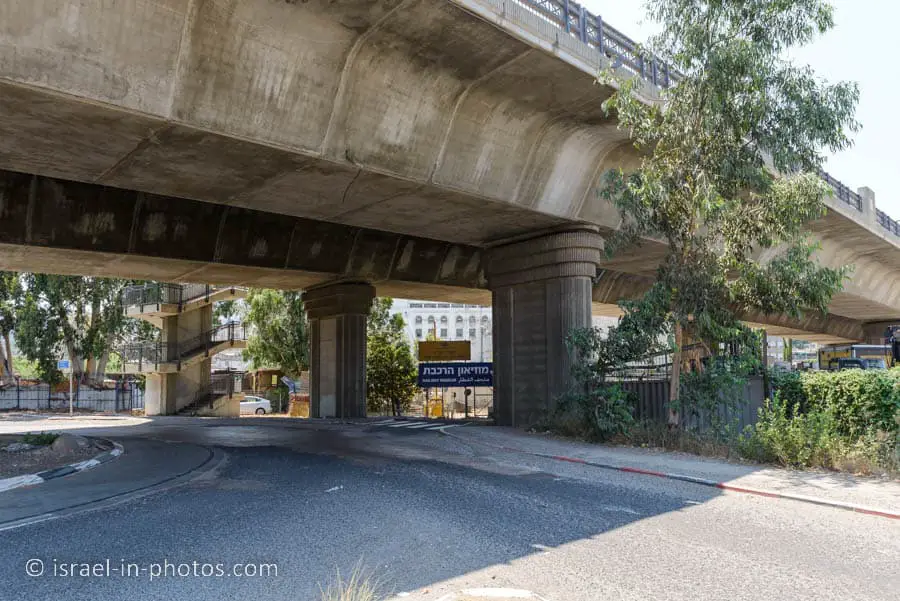
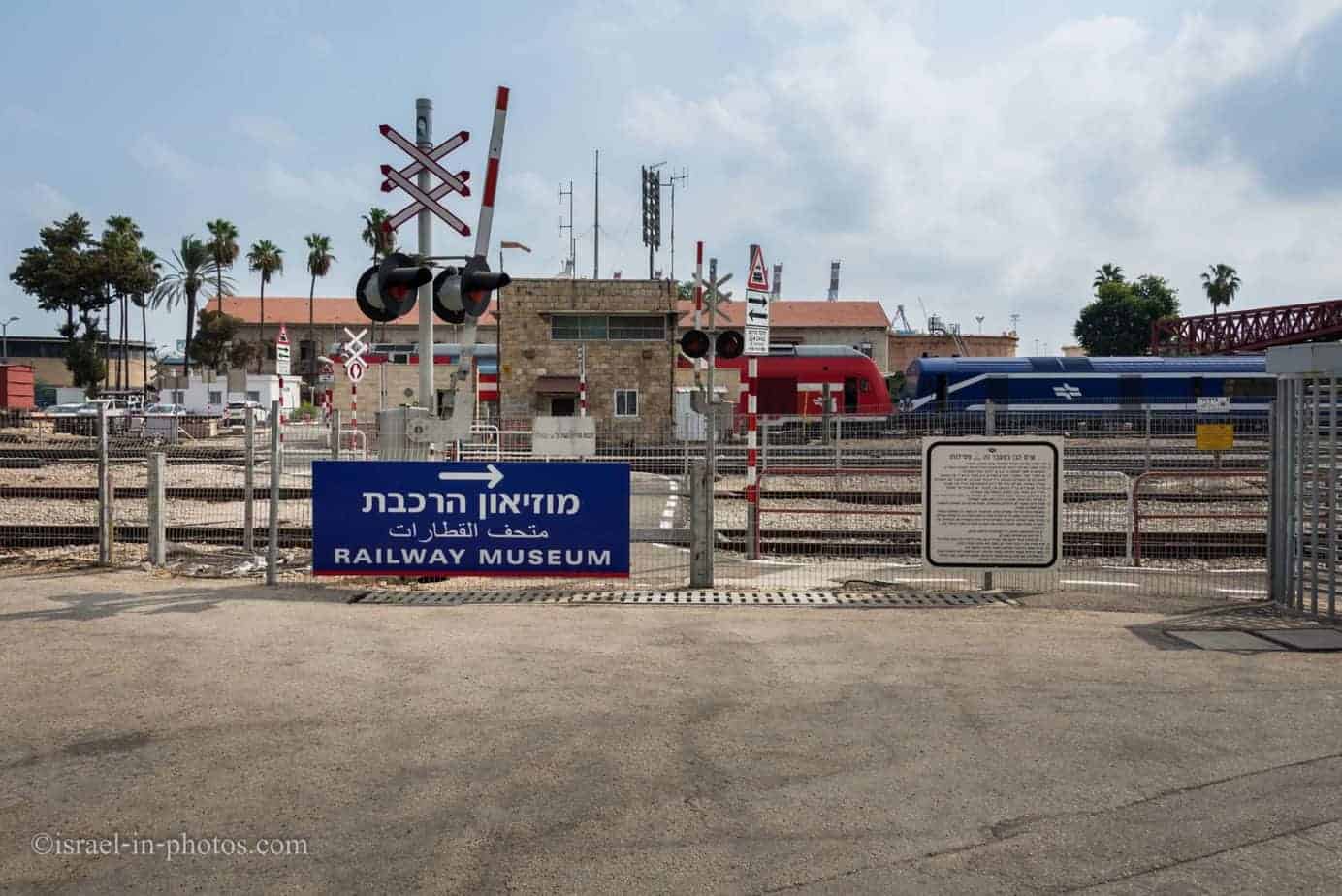
The Israel Railway Museum is situated in Haifa, near the port. It has two entrances. If you use public transport, you can enter from Derekh Khativat Golani 3. And if you are reaching by car, you can enter from Hiram Street 1, Haifa.
Directions for drivers: Link to Waze and Link to Google Maps
Directions for public transport: Link to Moovit
Interactive map of the area:
The guard will ask for your ID at the car entrance (Hiram Street). And then you can then drive into the compound and park by the museum (for free).
Opening Hours
The Israel Railway Museum is open at:
Sunday – Thursday: 8:00 – 15:30 (last entry at 14:30).
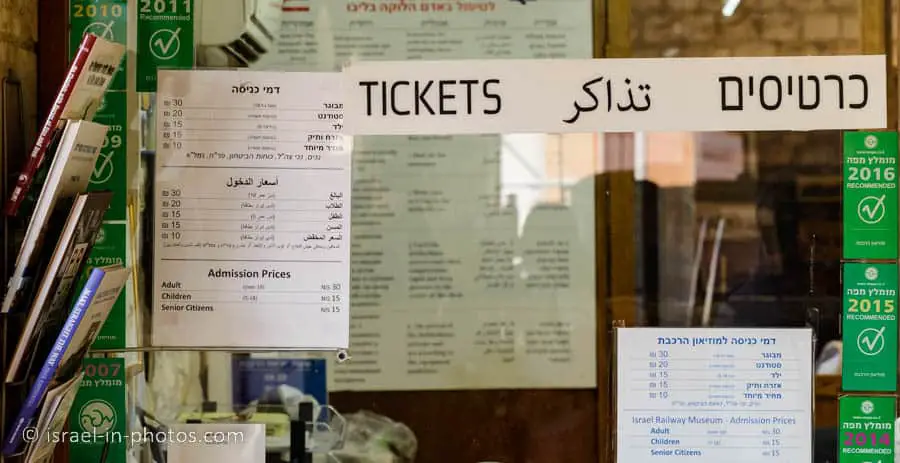
Entrance Fee
Adult – 30 NIS
Child (above five years old) – 15 NIS
Note: opening hours and ticket prices were updated in December 2022. In any case, recheck the official site before visiting.
Site Plan
The museum has two buildings. You can find a ticket office and old trains in the main building. Also, outside the main building, you can find various trains, and behind it, you can find restrooms.
Note: There is no air conditioning because the main building contains trains. But, over the years, we visited it several times (always during the summer vacation), and it was not that hot.

The secondary building presents different old items related to trains. There are stamps, old train timetables, semaphores, and more. The secondary structure is smaller, and it has air conditioning.
You must use the bridge above the railways to move between the buildings.
The bridge and the cranes of the port:
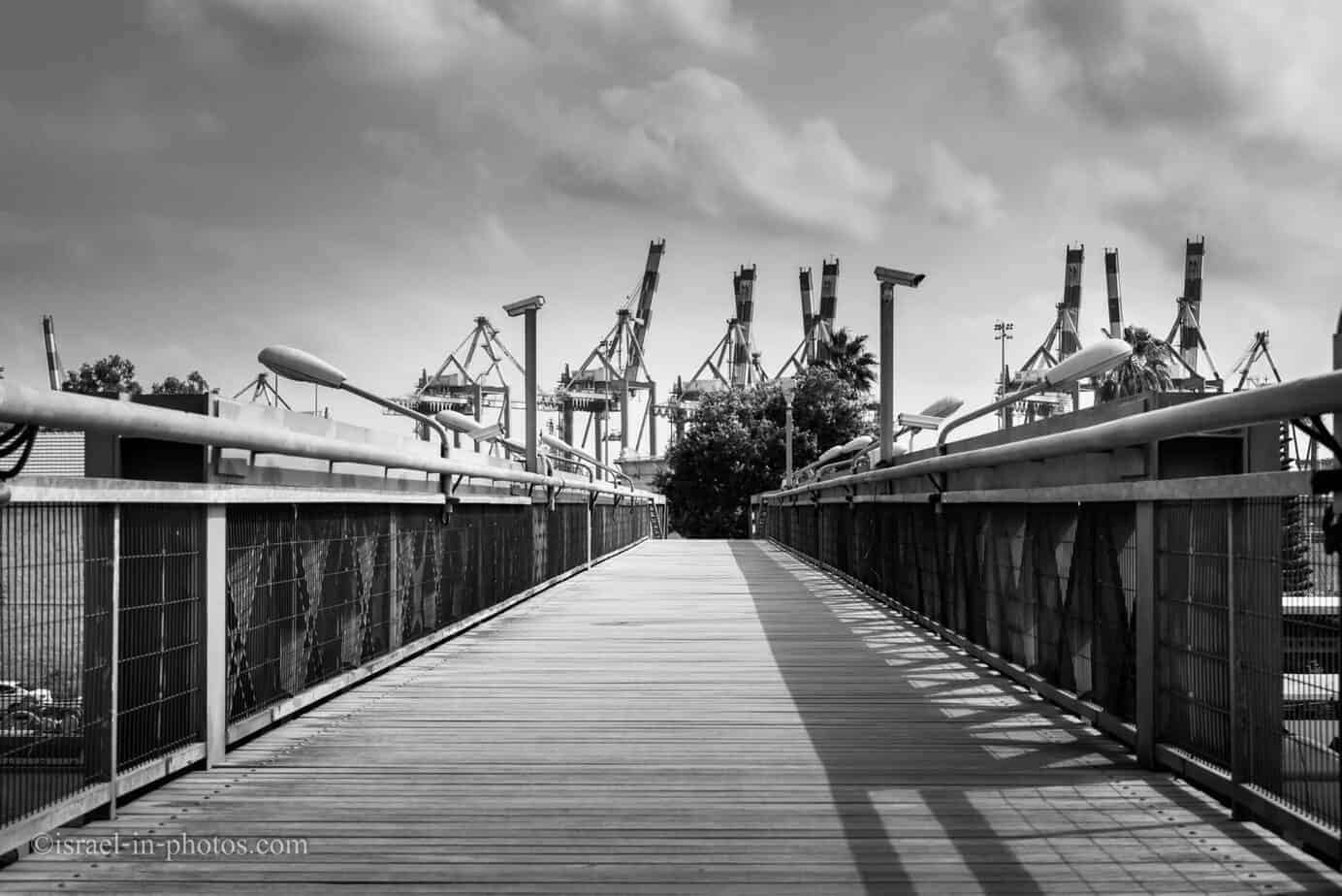
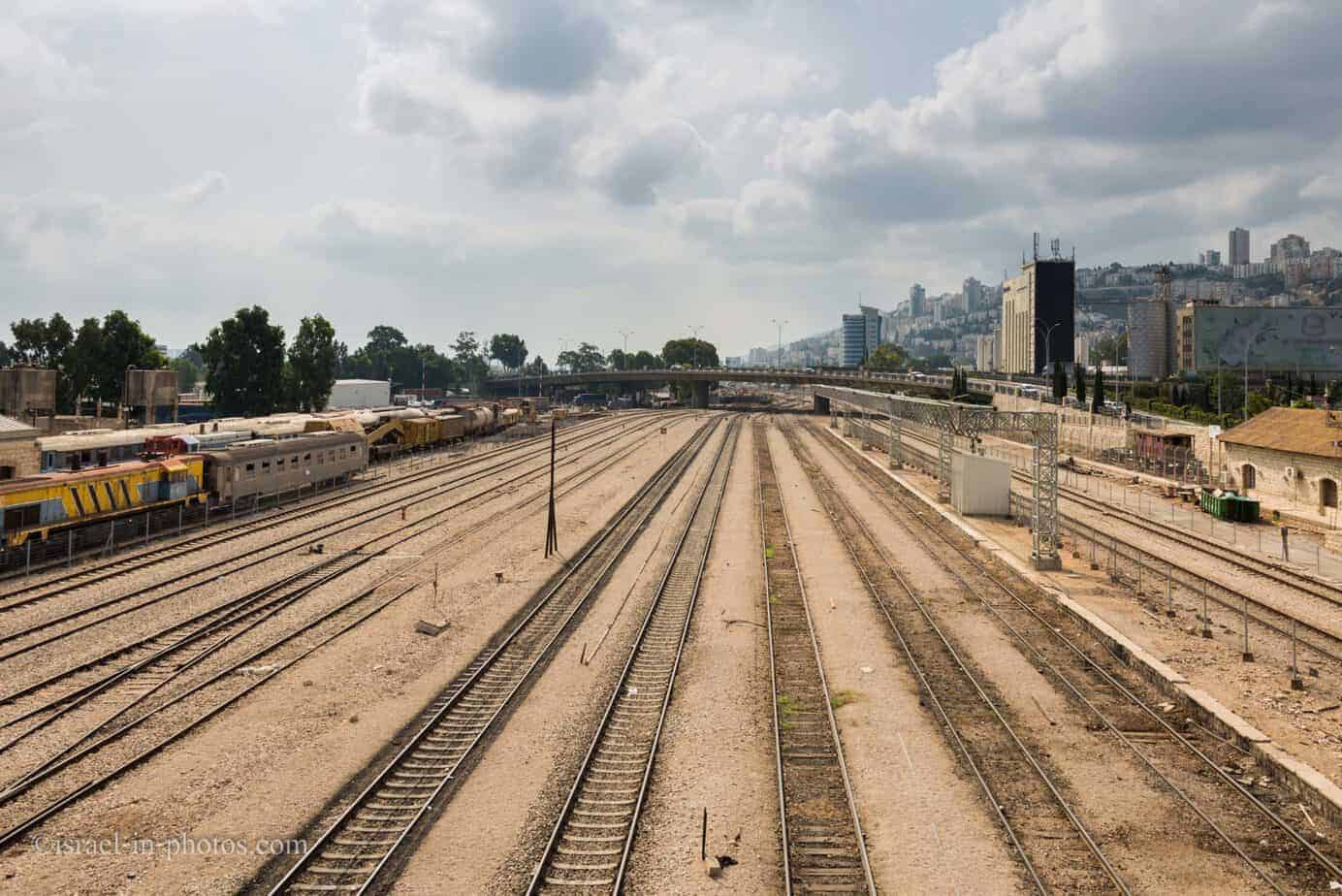
Note: the railway museum is accessible.
And on the opposite side of the bridge, you can see the Sail Tower:
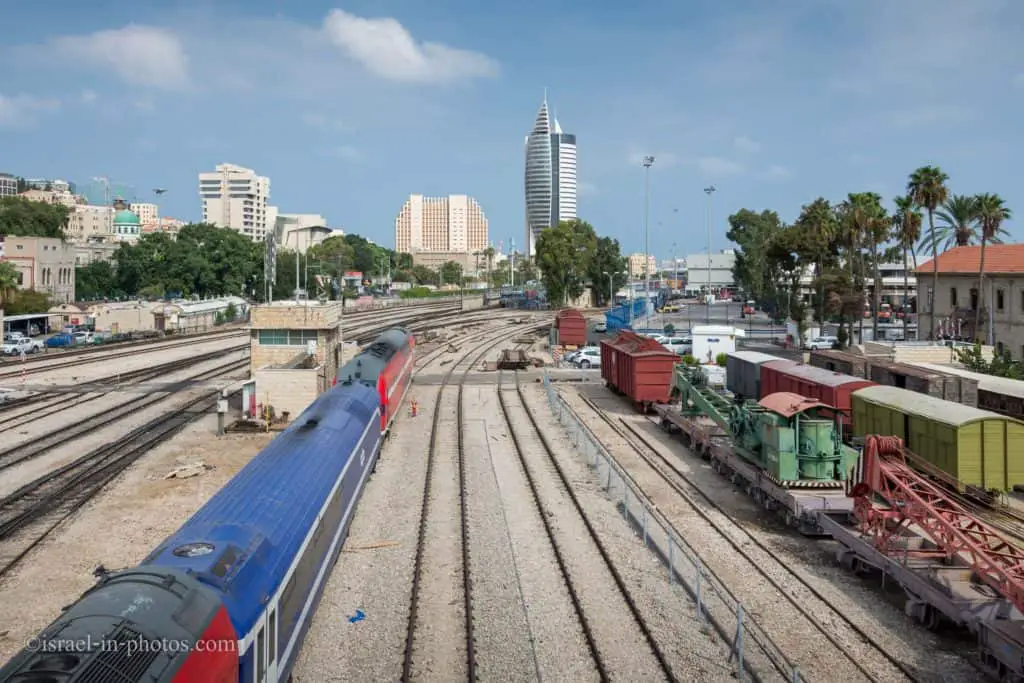
Trains by the Main Building
After purchasing tickets, you can visit the museum in any order. But if you are worried about the heat, you can start by visiting the trains outside the main building.
Here are several photos from this area:


Children can climb many trains. And my daughters do not miss the opportunity.
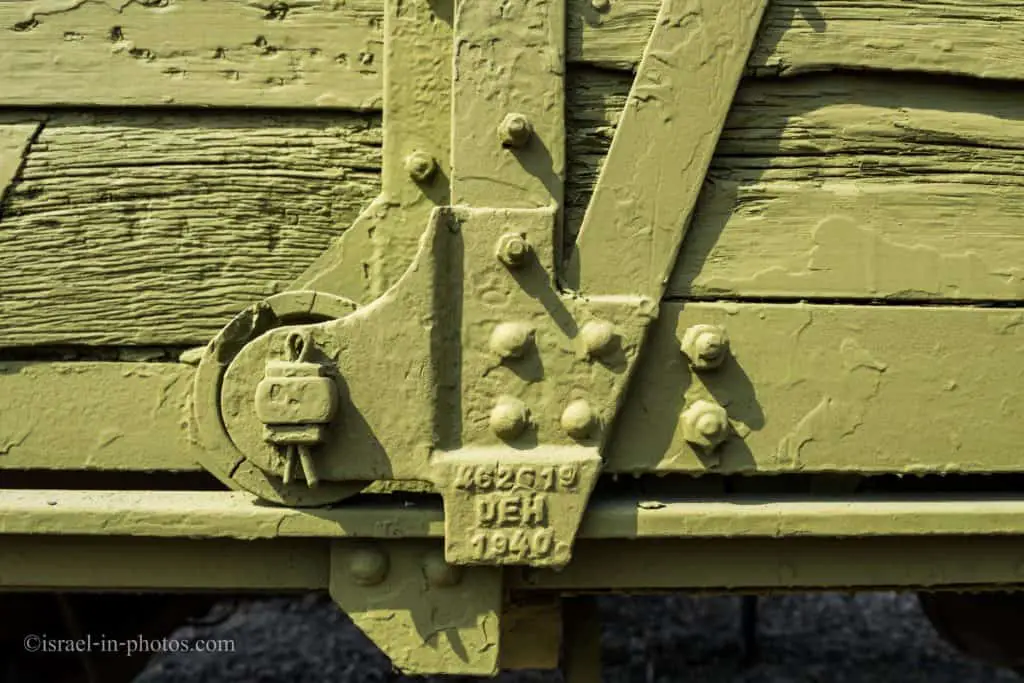
Here is a 25-ton steam-powered breakdown crane. It was built in 1918 by Cowans Sheldon in England. It was built for the British Army and served the Israel Railways until the 1970s.
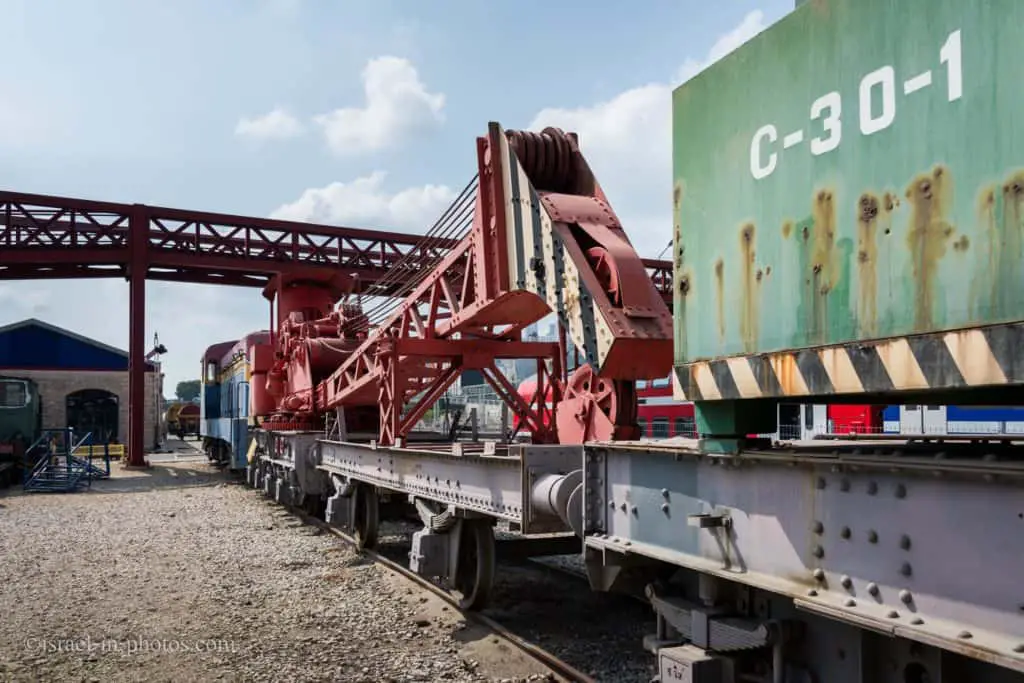
Though almost 100 years have passed, the label looks new.


You can find an armored fighting truck at the main building entrance.
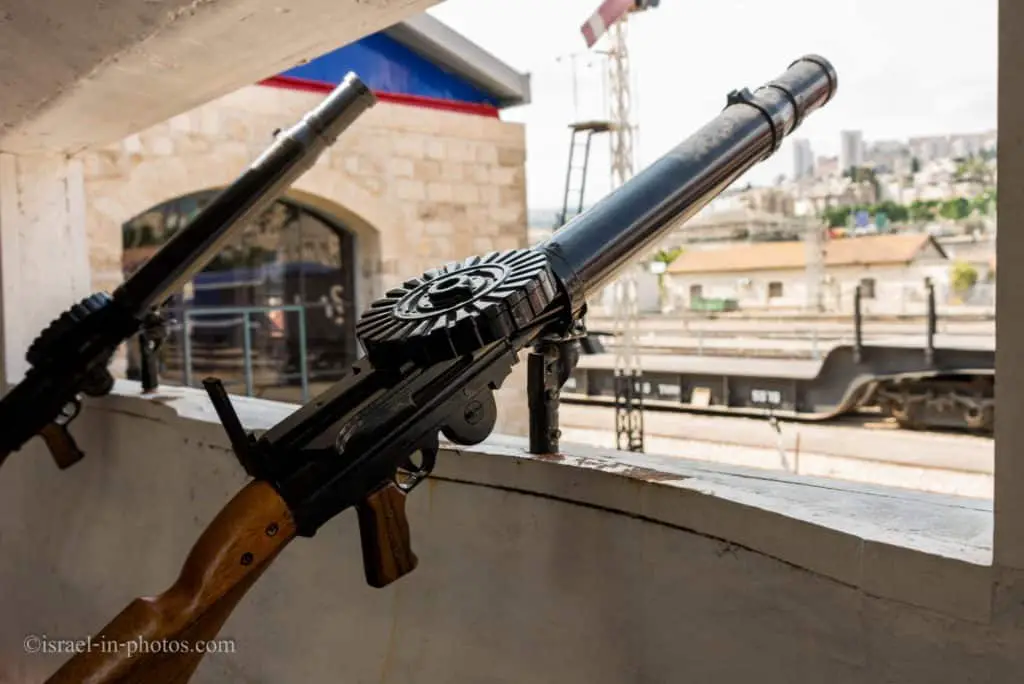
It was built in 1936 in Lod and used by the British Army for an armored escort to Jerusalem. And since I mentioned Jerusalem, the first train in Israel was constructed in 1892 between Jaffa and Jerusalem. The construction initiative belongs to Yosef Navon. For his effort, Navon was awarded the Légion d’honneur by the French government and the Medjidie by the Turkish government.
Today Jaffa and Jerusalem’s first train stations were reconstructed and serve as shopping and entertainment areas.
Main Building in the Israel Railway Museum
The tickets are purchased at the entrance to the main building. See the prices at the beginning of this post.

I am unsure if it is related to summer vacation (all our visits were in the summer), but there was a guide on site. On the most recent visit, the guide gave us a five-minute overview of the museum, and then we started to explore by ourselves.
Luxury Train
Our first stop was this luxury train car:
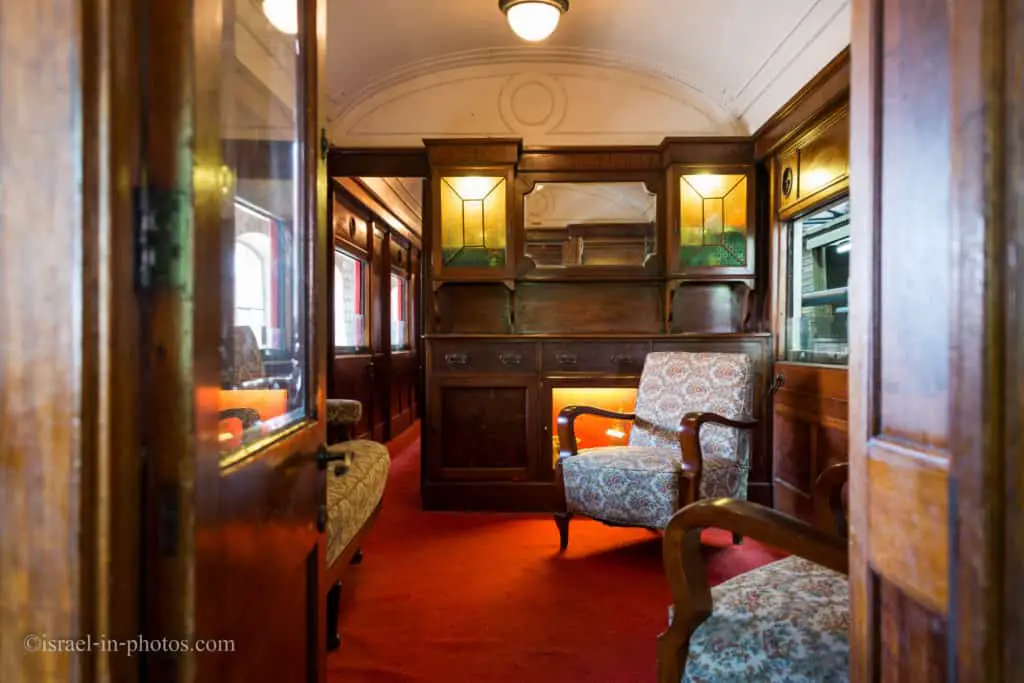
It was made in England and used by VIPs. In Israel, David Ben-Gurion used a similar luxury train car.
You can see the saloon, bathroom, kitchen, and bedroom as you go through it — all with high-end finishing.
Ambulance Railroad Car
Another train car we saw was this one:


It is the oldest railroad car in the Railway Museum. It is more than a century old and was used as a hospital.
Hedjaz Railway
Though our guide did not mention it, I noticed that the following locomotive had Arabic numbers.

I later learned the museum has a locomotive from the famous Hedjaz Railway. Hedjaz Railway carried Muslim pilgrims on their way to make the Haj pilgrimage to the holy cities of Medina and Mecca in Saudi Arabia. It was then possible to travel by narrow gauge steam train from Haifa to Damascus in Syria and Amman in Jordan.