Biblical Tamar – Hazeva Fort – Visitor Guide

In the 10th century BC, King Solomon built the biblical fort of Tamar, identified with Hatzeva Fortress in the Arava Valley.
Map
Biblical Tamar is located in the Arava Valley near Crocoloco Crocodile Farm at Ir Ovot. It is a half-hour drive along Road #90 south of the Dead Sea.
Directions for drivers: Link to Waze and Link to Google Maps
Directions for public transport: Link to Moovit
Interactive map of the area:
Here is an aerial photo of the fort:
Opening Hours
It is an open archaeological park. There is no entrance fee, and you can visit anytime. However, there is no artificial light, so visit during daylight.
Entrance Fee
Free.
When to Visit Biblical Tamar?
Since it is located in the desert and has little shade, I suggest visiting during the colder months. If you visit in the summer, go early or late in the day.
About Biblical Tamar – Hazeva Fort
We visited as part of a tour by the Society for the Protection of Nature in Israel. We visited in August, and as you can see from the photos, it was toward sunset (it was very hot during the day).
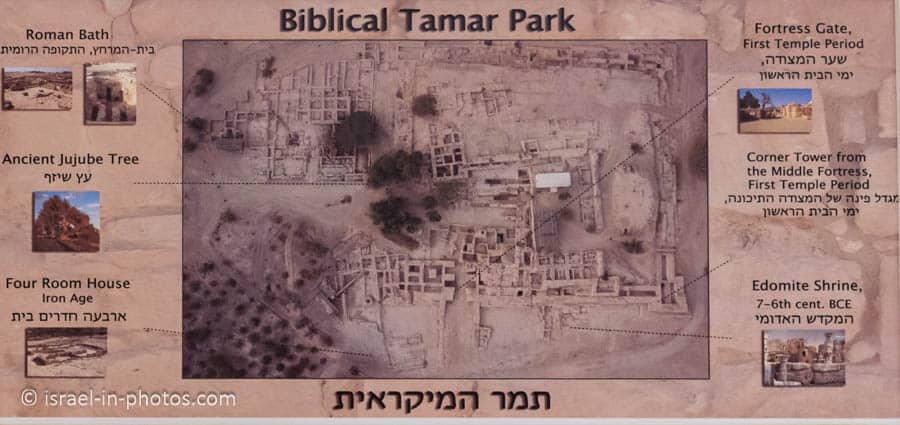
Here is a short summary about this site (taken from one of the signs):
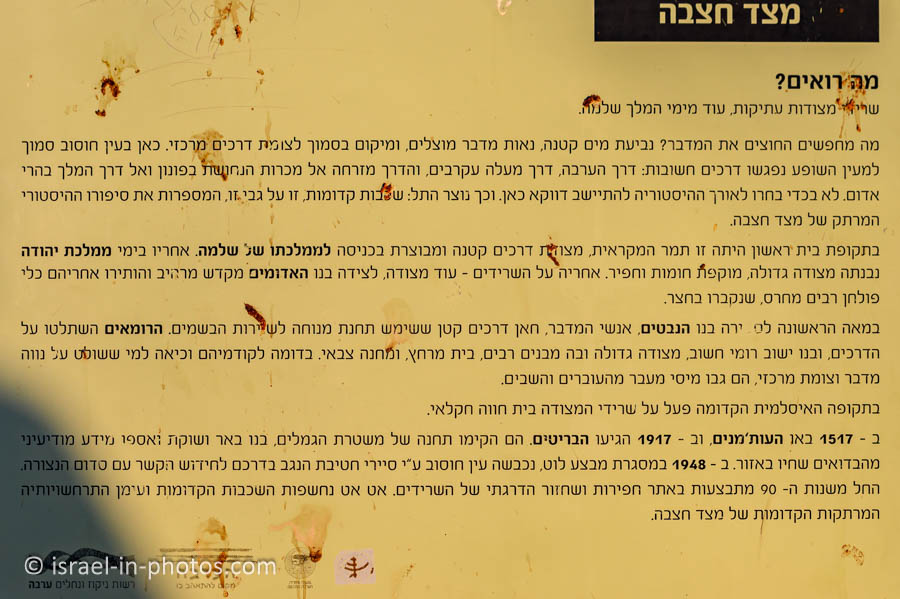
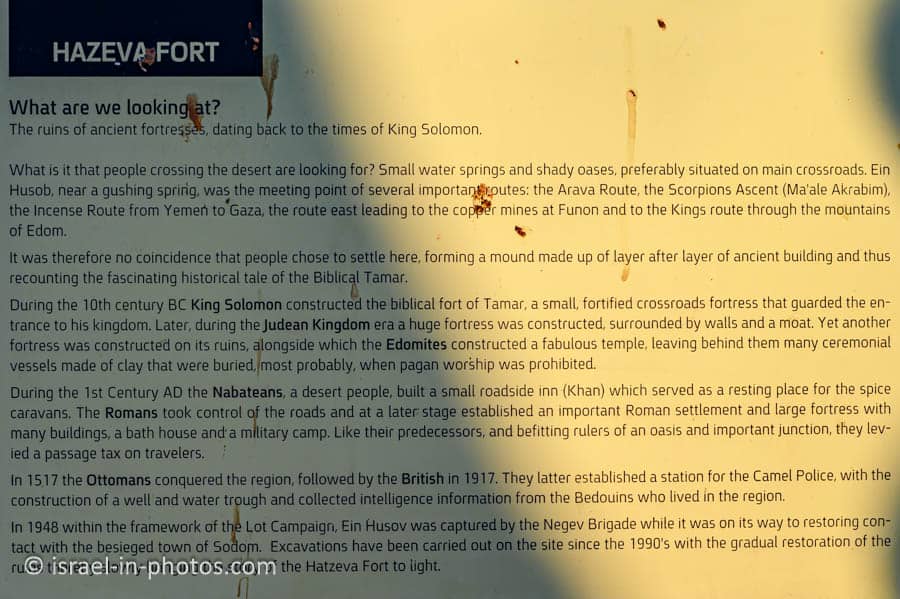
The ruins of an ancient fortress, dating back to the times of King Solomon.
What is it that people crossing the desert are looking for? Small water springs and shady oases, preferably situated on main crossroads. Ein Husob, near a gushing spring, was the meeting point of several important routes: the Arava Route, the Scorpions Ascent (Malale Akrabim), the Incense Route from Yemen to Gaza, the route east leading to the copper mines at Funon, and the King’s route through the mountains of Edom.
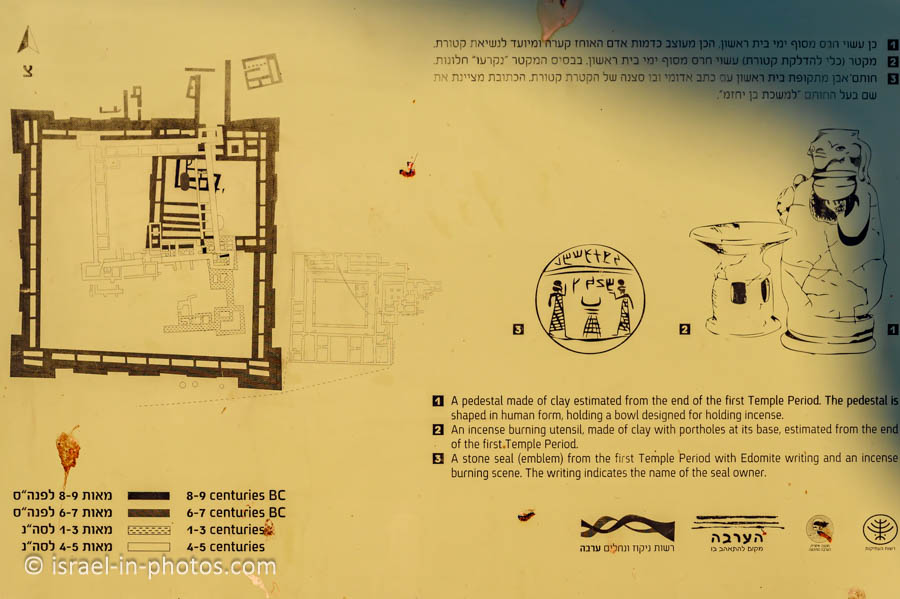
It was therefore no coincidence that people chose to settle here, forming a mound made up of layer after layer of ancient building and thus recounting the fascinating historical tale of the Biblical Tamar. During the 10th century BC, King Solomon constructed the biblical fort of Tamar, a small, fortified crossroads fortress that guarded the entrance to his kingdom. Later, during the Judean Kingdom era, a huge fortress was constructed, surrounded by walls and a moat. Yet another fortress was built on its ruins, alongside which the Edomites constructed a fabulous temple, leaving behind many ceremonial clay vessels that were most likely buried when pagan worship was prohibited.
During the 1st Century AD, the Nabataeans, a desert people, built a small roadside inn (Khan) which served as a resting place for the spice caravans. The Romans took control of the roads and, later, established an important Roman settlement and large fortress with many buildings, a bathhouse, and a military camp. Like their predecessors, and befitting rulers of an oasis and important junction, they levied a passage tax on travelers.
In 1517, the Ottomans conquered the region, followed by the British in 1917. They later established a station for the Camel Police, with the construction of a well and water trough, and collected intelligence from the Bedouins who lived in the region.
In 1948, within the framework of the Lot Campaign, Ein Husov was captured by the Negev Brigade while it was on its way to restoring contact with the besieged town of Sodom. Excavations have been carried out on the site since the 1990s, with the gradual restoration of the ruins slowly bringing the story of Hatzeva Fort to light.
Photos of Biblical Tamar
In this section, I will share some photos from the visit.
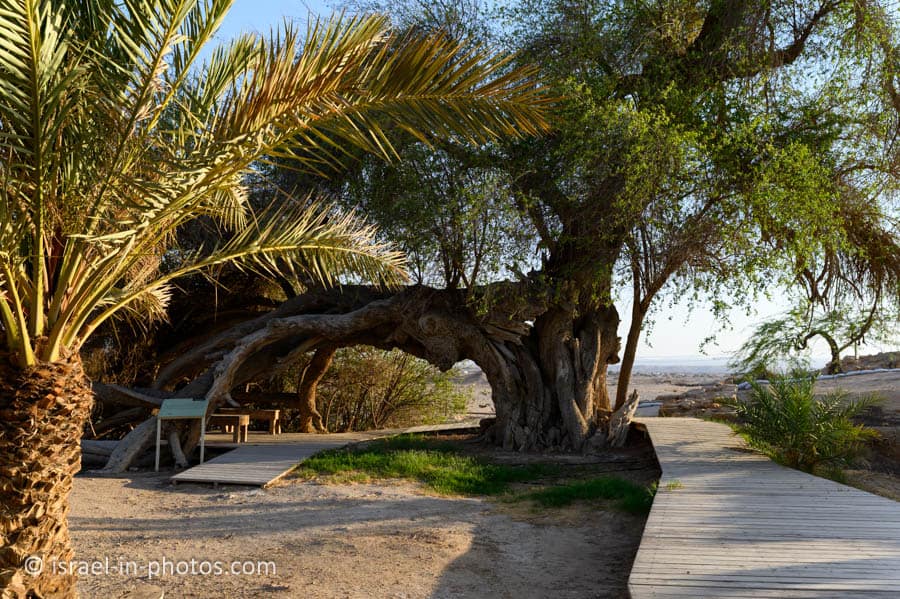
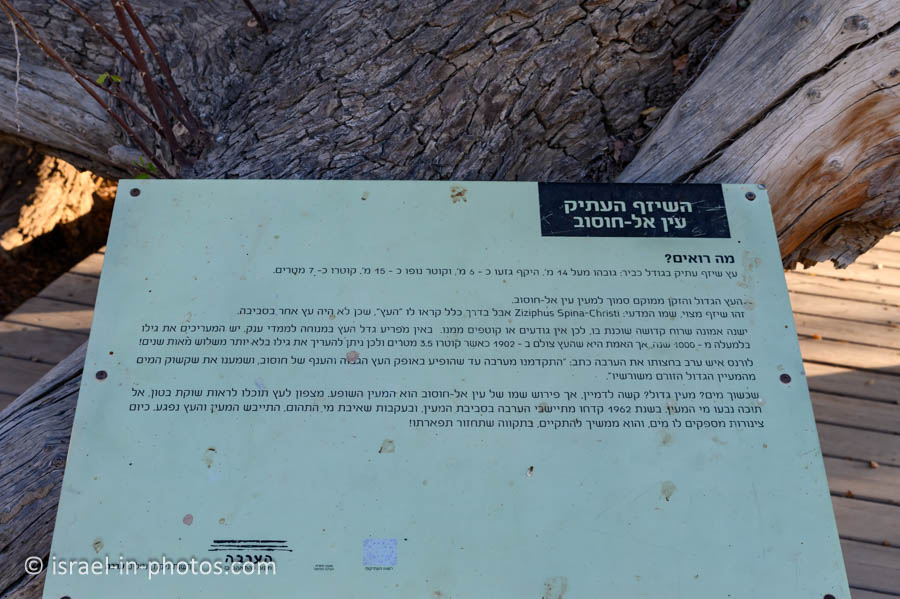
We started our tour at the Jujube tree. This tree is enormous. Its height is over 14 meters, and its trunk diameter is over 6 meters. Its age is estimated to be 300 years. And the presence of such a big tree in the desert tells us why this location was chosen: a spring.
Then we saw remains from different periods.
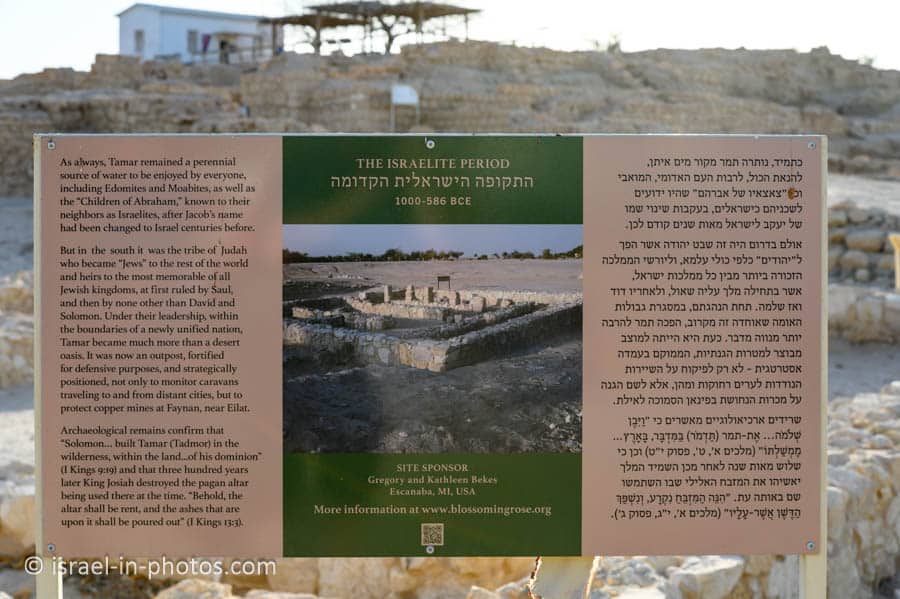
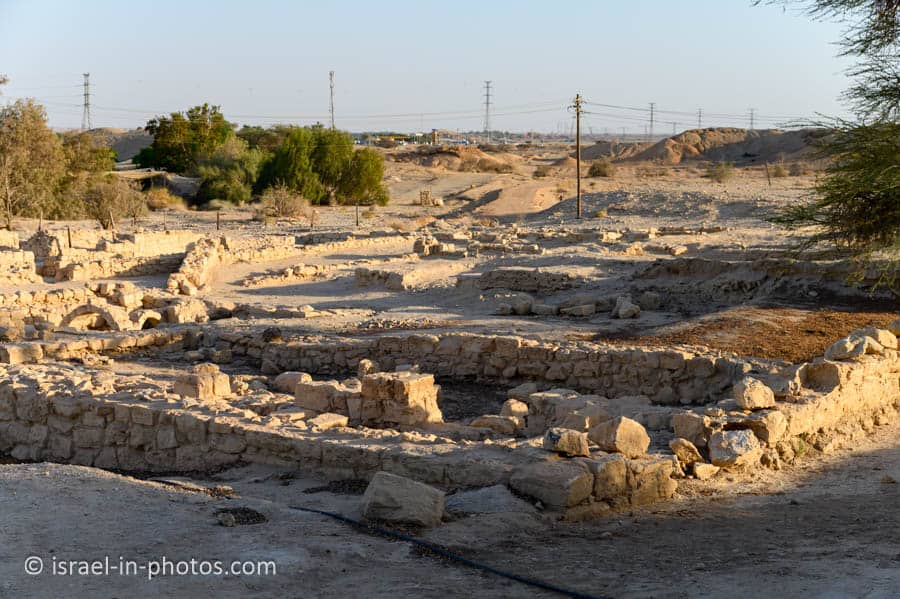
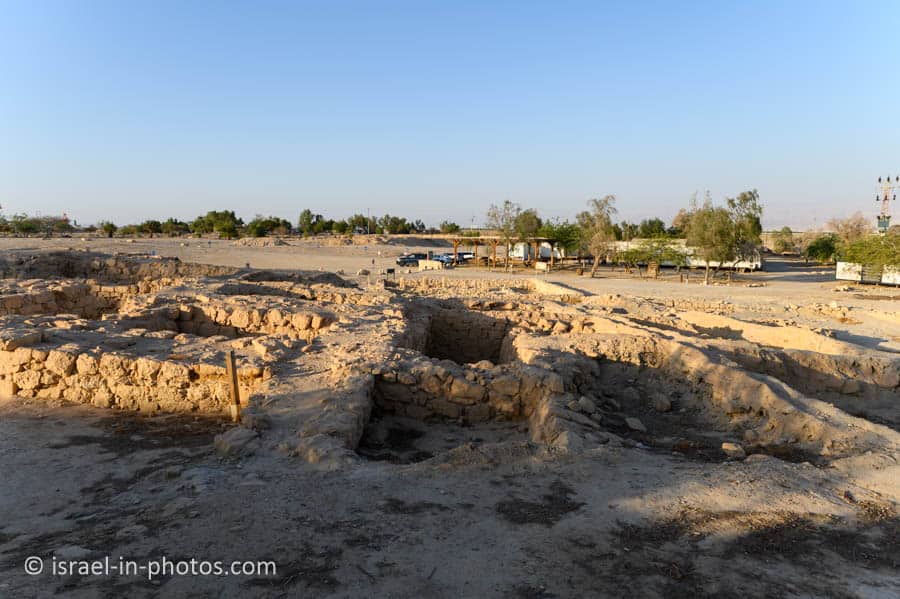
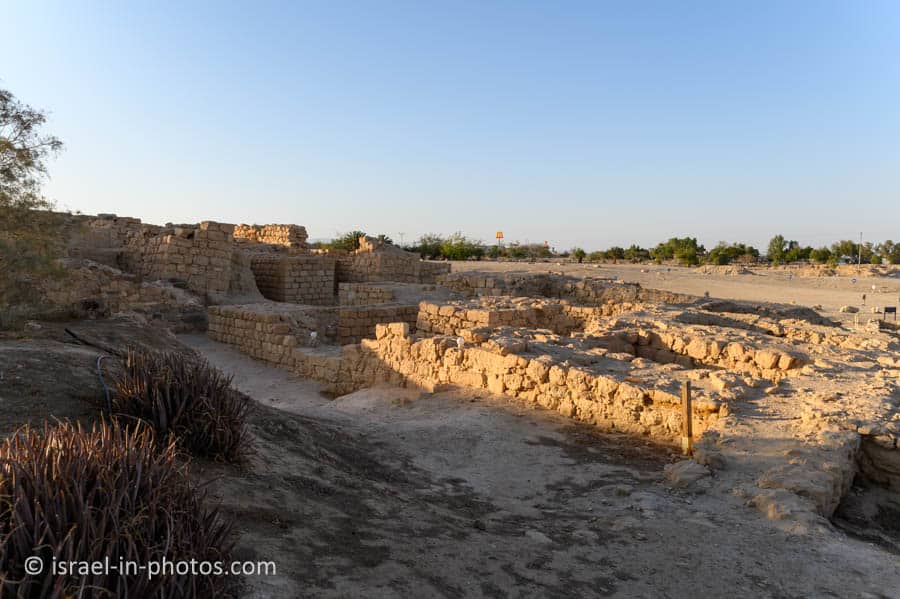
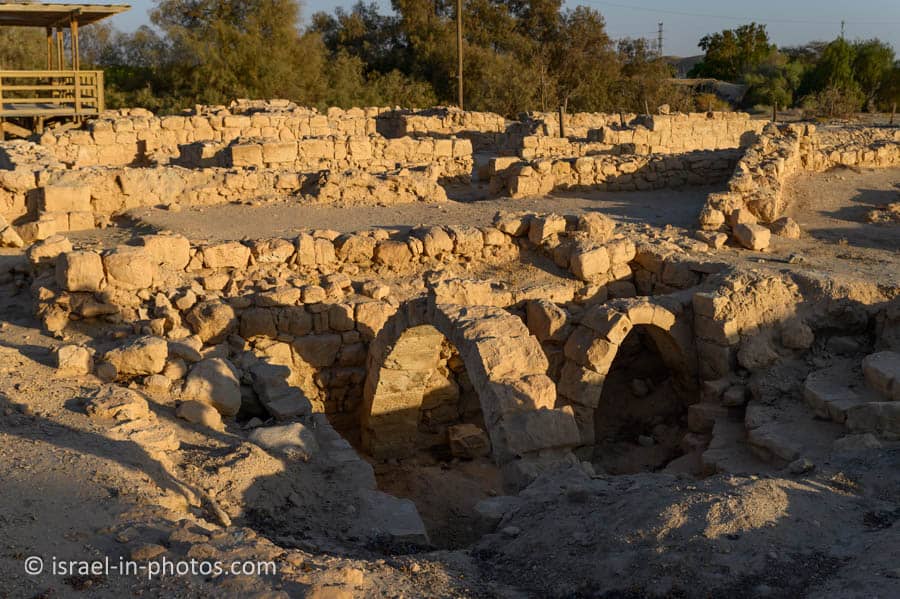
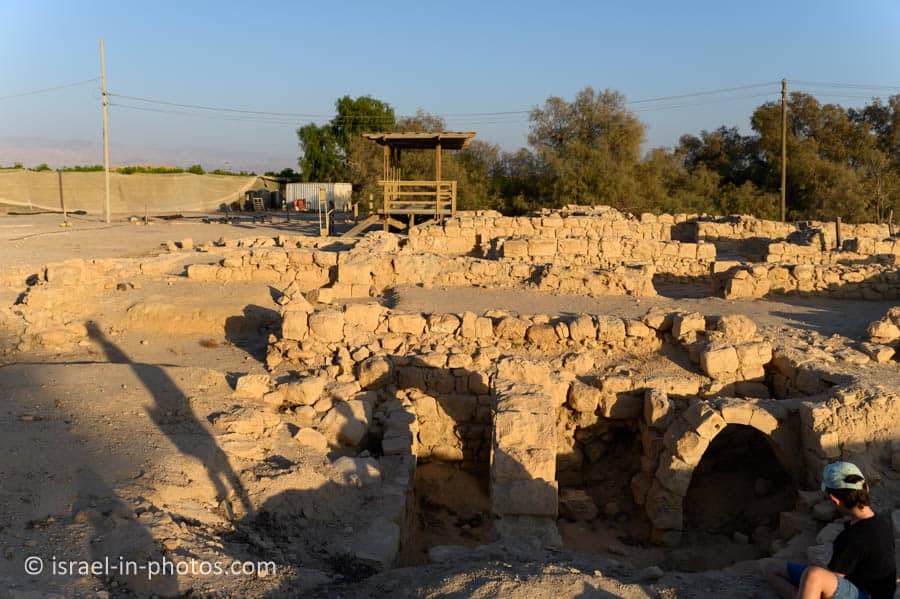
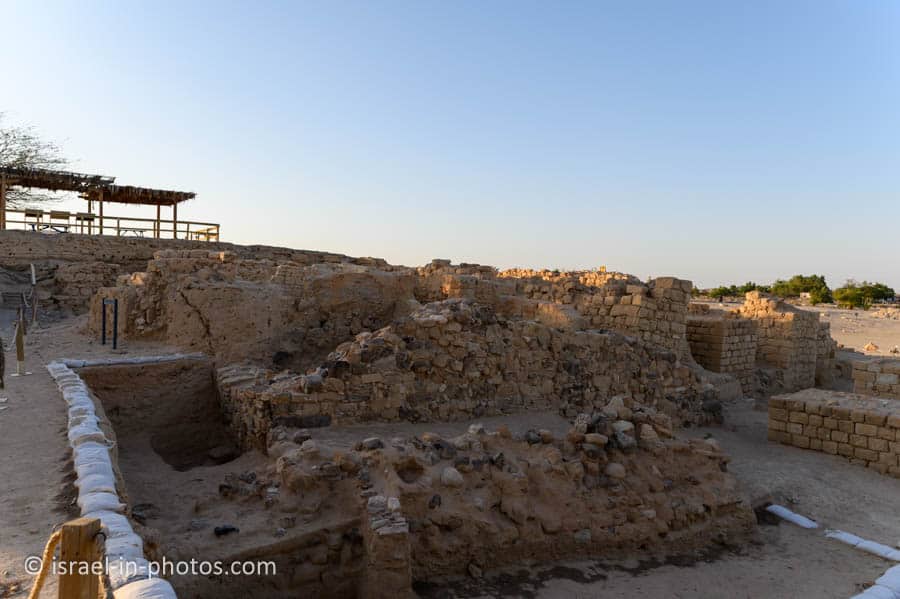
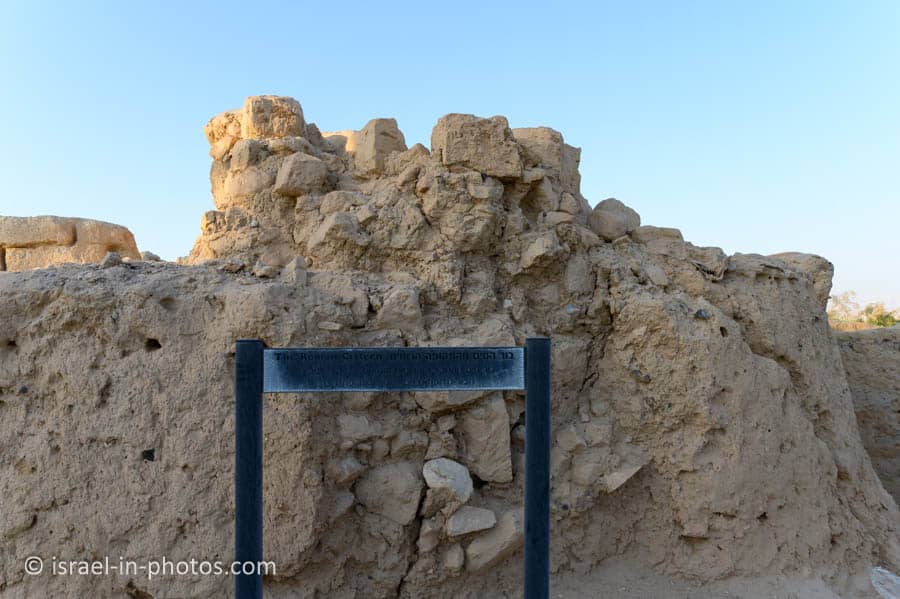
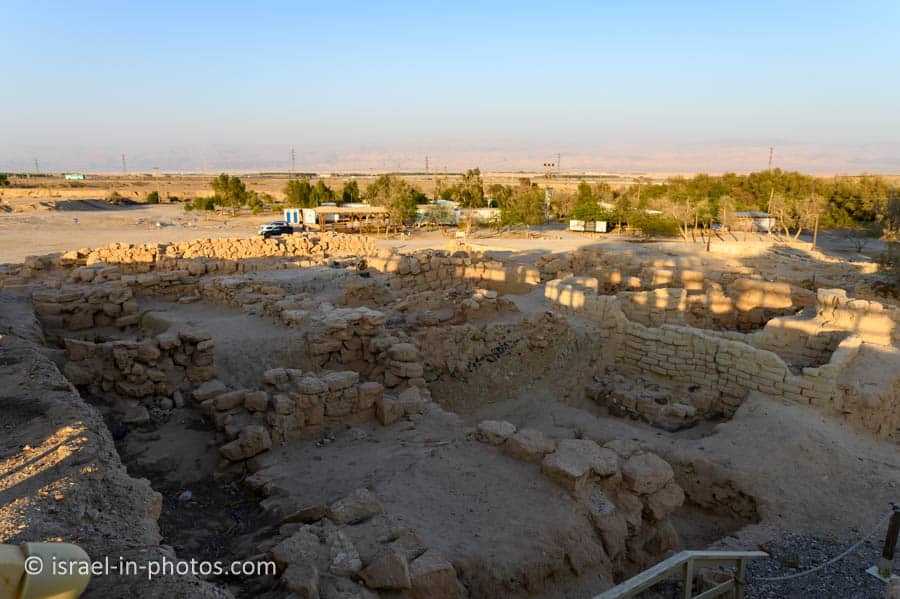
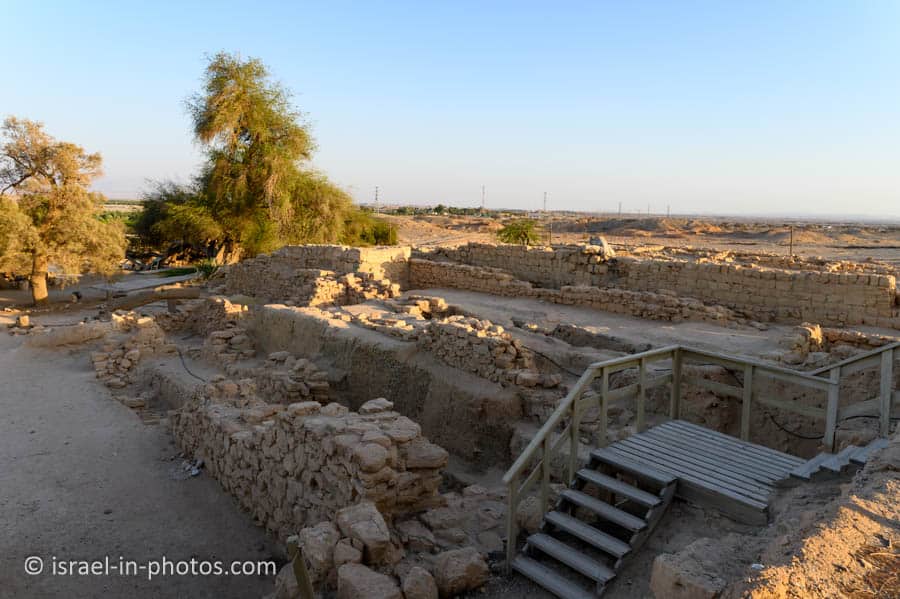
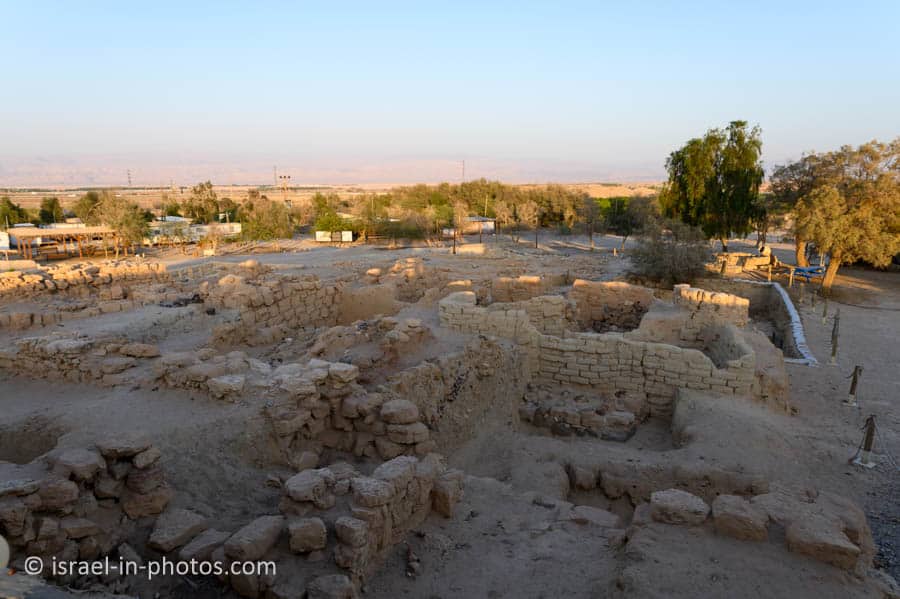
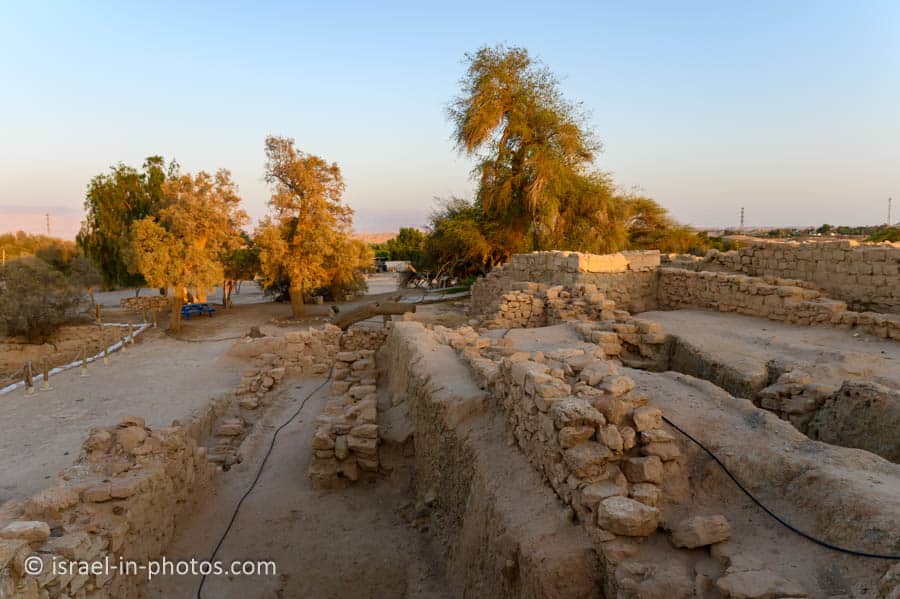
There is a small hill, and once you climb it, you will see the British police station.
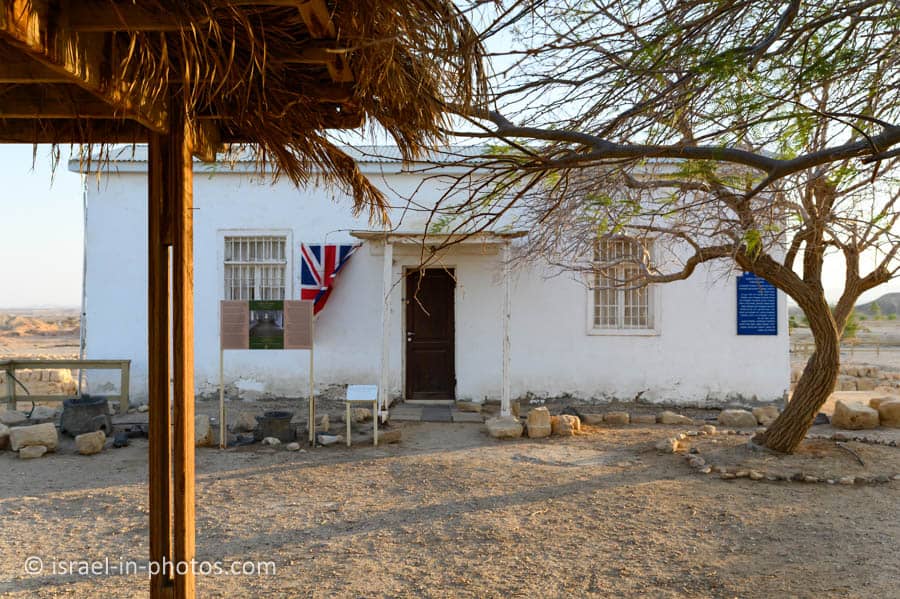
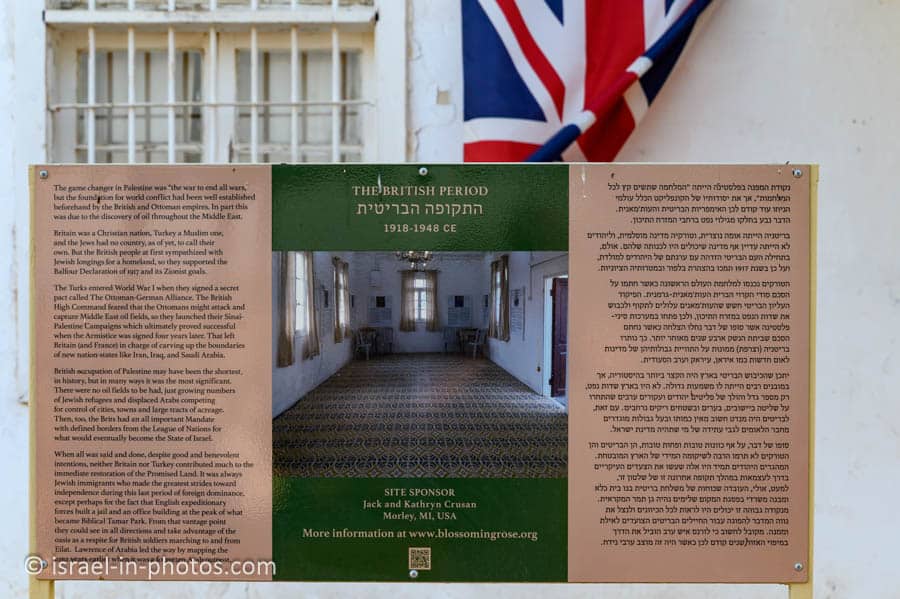
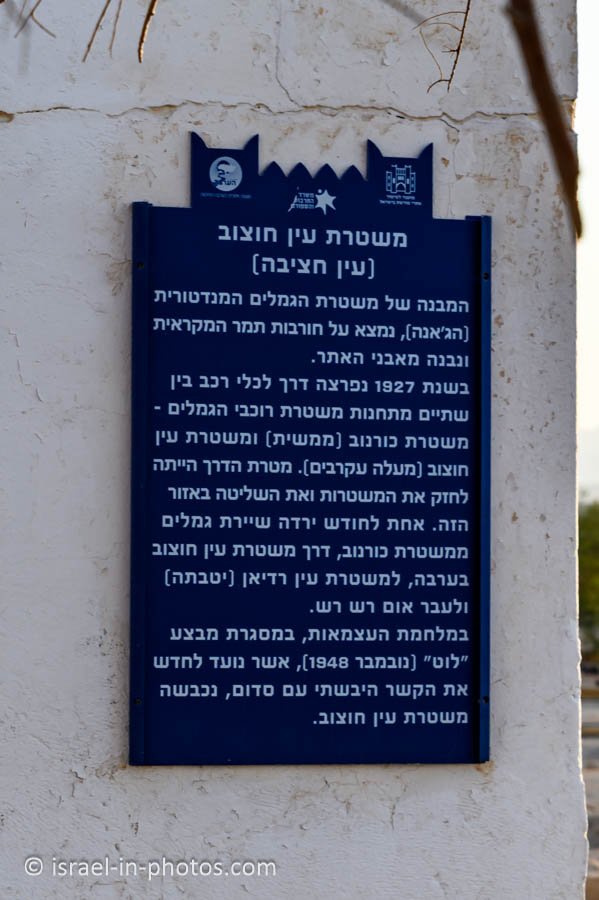
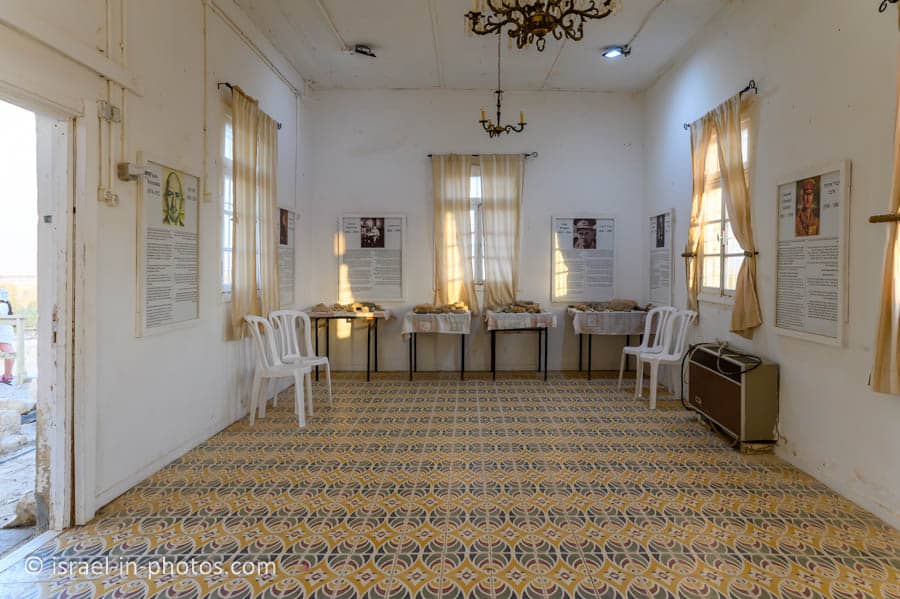
And the last place we visited was a bunker near the police station.
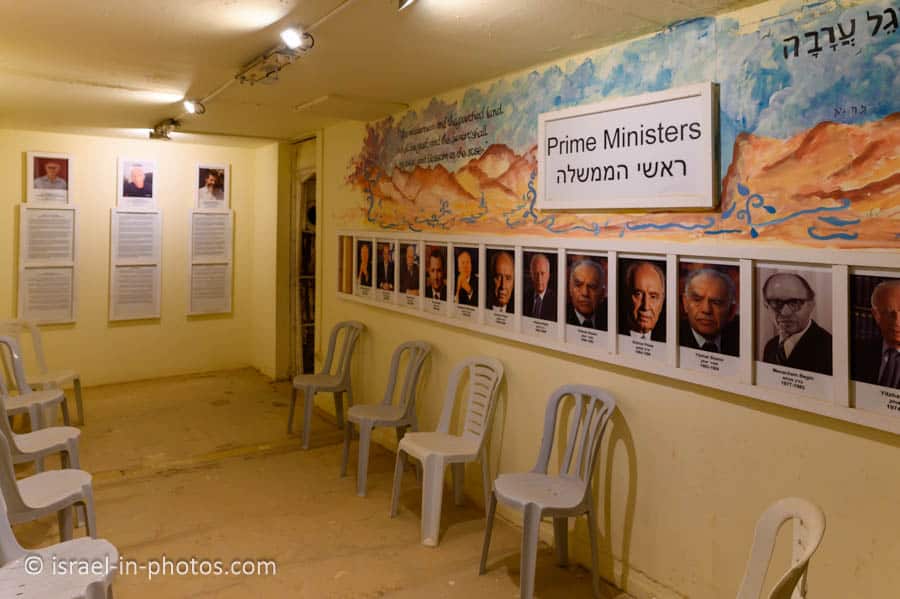
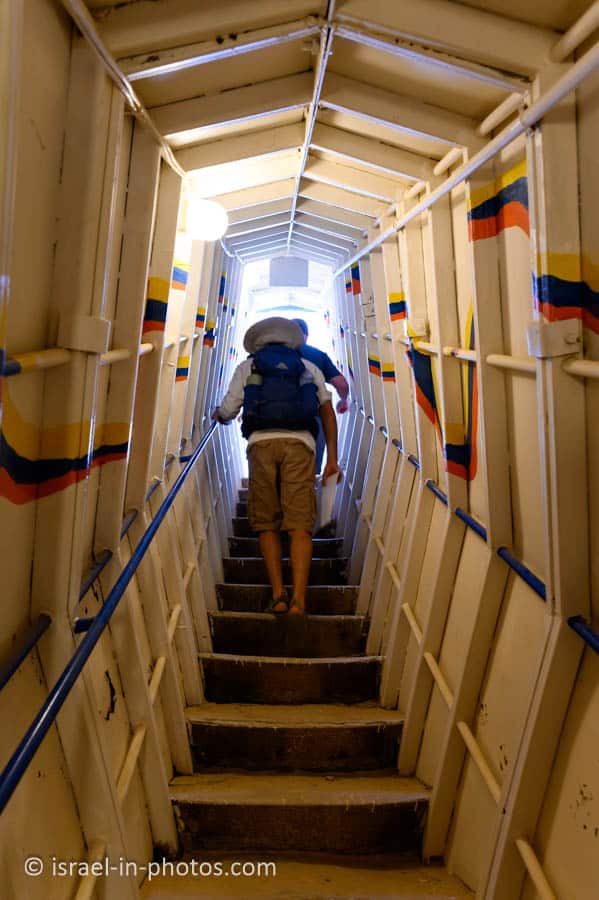
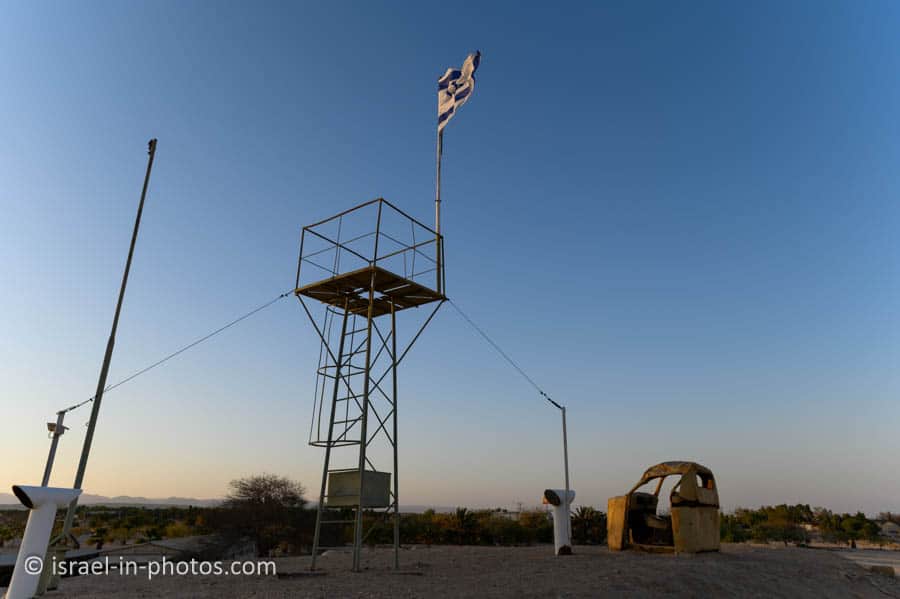
Summary
Biblical Tamar is not a large site. The tour lasted an hour, and it is a lovely stop while driving in the area, whether you are heading to the Dead Sea or Eilat.
Have you ever been to Biblical Tamar? Tell us about your experience in the comments below.
That’s all for today, and I’ll see you on future travels!
Stay Tuned!
Additional Resources
Here are several resources that I created to help travelers:- Trip Planner with Attractions and Itineraries is the page that will help you create your perfect travel route.
- What is the Best Time to visit Israel? To answer this question, we will consider the weather, prices, holidays, festivals, and more.
- Information and Tips for Tourists to Israel will answer the most common questions tourists have about Israel (including safety, passports, weather, currency, tipping, electricity, and much more).
- Israel National Parks and Nature Reserves include a complete list, top ten, map, tickets (Israel Pass, Matmon, combo), and campsites.
- If you are looking for things to do, here are the pages for Jerusalem, Tel Aviv, Haifa, Sea Of Galilee, Akko (Acre), Eilat, Nazareth, Safed (Tzfat), and Makhtesh Ramon.